

Key Takeaways
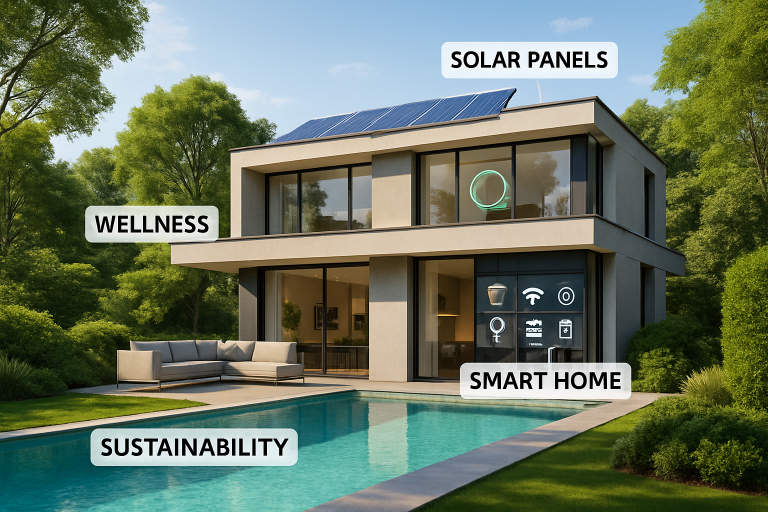
- Smart home technologies are integral to the modern luxury home experience.
- Wellness-oriented designs and amenities take center stage.
- Eco-friendly practices and sustainable materials are a growing priority.
- Non-urban areas are growing in popularity among luxury buyers.
- Personalization and high-level customization are essential features.
- Security and privacy innovations are in high demand.
Luxury real estate is entering a period of dynamic transformation, driven by shifting buyer preferences, emerging technologies, and a growing emphasis on wellness and sustainability. High-net-worth individuals are no longer satisfied with opulence alone; they demand homes that seamlessly blend advanced digital convenience with eco-friendly elements and spaces that enhance personal well-being. To thrive in this evolving market, investors, developers, and buyers need to stay attuned to these sweeping trends. For those navigating the complexities of the luxury market in Southern California, consulting Beverly Hills real estate experts Forster Jones International can offer invaluable insight and guidance on making sound investments in high-end properties.
Today’s affluent buyers seek customizable homes that reflect their unique lifestyles, emphasizing personalization, privacy, and smart integration as essential aspects of luxury. There is a growing focus on wellness amenities and a shift towards non-urban locales, where tranquility and nature are prioritized over urban luxury. Recognizing these evolving expectations enables stakeholders to anticipate market demands and seize new opportunities, ensuring they remain at the forefront of luxury real estate.
Smart and Connected Homes
Technology has become the backbone of today’s high-end properties. Homeowners expect seamless integration, from AI-powered assistants to remote-controlled ambient settings. Security is significantly enhanced by advanced surveillance systems, while innovative amenities such as automated lighting, climate controls, and appliance management offer unparalleled convenience. These advancements exemplify how smart homes are not merely a luxury but a new standard for discerning buyers worldwide.
Wellness-Oriented Spaces
Physical and mental wellness is driving architectural decisions and amenity offerings in luxury properties. Spaces dedicated to health, such as home gyms, spa-inspired bathrooms, and meditation or yoga rooms, underscore a holistic approach to luxury living. Outdoor features, including infinity pools and tranquil gardens, further cater to a lifestyle focused on relaxation. This focus addresses both the immediate and long-term well-being of residents, transforming luxury homes into true sanctuaries.
Eco-Friendly and Sustainable Designs
Sustainability and luxury are now inseparable concepts. Buyers in the luxury market are increasingly interested in homes that reflect environmental responsibility without compromising comfort or design finesse. From solar panels and energy-efficient appliances to green roofs and sophisticated water recycling systems, these eco-conscious features are in demand. Properties adhering to LEED certification standards or comparable green building guidelines consistently achieve premium valuations.
Emergence of Non-Urban Luxury Markets
There has been a notable migration of affluent buyers from metropolitan hubs to less densely populated areas. Regions like Aspen, Napa Valley, and the Hamptons are experiencing renewed interest as individuals seek privacy, spaciousness, and natural beauty. This migration trend is driven by a desire for a reprieve from the fast pace and high density of city life, with buyers gravitating toward estates that provide both exclusivity and breathtaking surroundings.
Customized and Personalized Homes
The luxury home market is placing a higher value on individuality and adaptability. Customization options range from bespoke interior finishes to flexible floor plans that can evolve with a homeowner’s needs. These tailored environments offer not only exclusivity but also practicality, ensuring each residence reflects its owner’s tastes, lifestyle, and aspirations.
Enhanced Security Features
Affluent buyers are increasingly concerned about protecting their privacy. Modern luxury homes are equipped with state-of-the-art security measures, including biometric access, AI-driven cameras, radar, and acoustic sensors. Features such as safe rooms, ballistic-grade doors, and even underground bunkers are becoming standard in some markets, demonstrating a focus on both conventional and digital threats.
Conclusion
The luxury real estate sector is rapidly evolving to reflect the sophisticated preferences of its clientele. By emphasizing smart technologies, wellness amenities, eco-friendly features, and bespoke design options, industry stakeholders are responding to a new definition of luxury. As the market continues to innovate, buyers and sellers who adapt quickly to these emerging trends will set the pace for the future of upscale living.
