

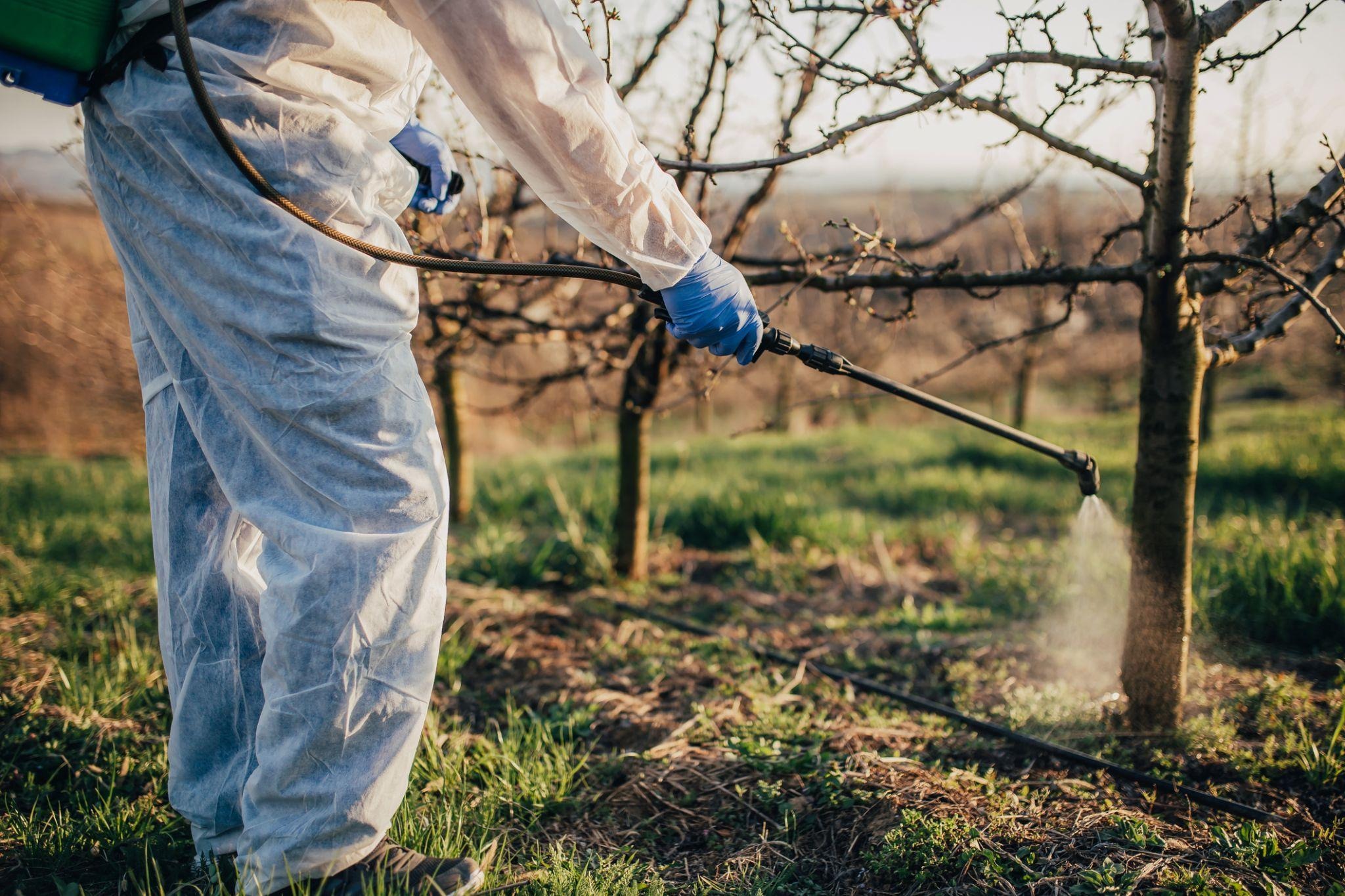
Calgary’s climate, with its cold winters and mild summers, significantly influences pest activity throughout the year. During the harsh winter months, many pests enter a state of dormancy or seek shelter indoors to survive the freezing temperatures. As spring arrives, pests like ants, wasps, and rodents become more active, taking advantage of the warmer weather to forage for food and reproduce. Summer marks the peak season for pest activity, with mosquitoes, flies, and spiders thriving in the warm conditions. By fall, pests begin preparing for winter by migrating indoors, often in large numbers, to find shelter before the cold sets in.
Table of Contents
- Winter Dormancy: How Pests Survive the Cold
- Spring Awakening: The Surge in Pest Activity
- Summer Boom: Peak Season for Pests
- Fall Migration: Preparing for Winter
Picture this: It’s a frosty January morning in Calgary, and the city is blanketed in snow. The air is crisp, and everything seems quiet – almost too quiet. But beneath the surface, or perhaps within the walls of your home, pests are finding ways to survive. Calgary’s unique climate, characterized by long, harsh winters and short, mild summers, creates distinct seasonal patterns in pest behavior.
From rodents seeking warmth during the colder months to mosquitoes buzzing around during summer barbecues, pests are constantly adapting to the environment. And while you might not think about them until they become a problem, understanding how Calgary’s weather impacts pest activity can save you time, money, and stress in the long run. For instance, addressing vulnerabilities in your home early can make a significant difference, especially when it comes to managing pest control in Calgary.
In this article, we’ll explore how each season influences pest behavior and what you can do to stay one step ahead. Whether it’s sealing cracks before winter or addressing a summer ant invasion, being informed is your first line of defense. Plus, we’ll share some expert tips and strategies for maintaining a pest-free home all year round. Let’s dive in and uncover the secrets behind effective pest management in a city as dynamic as Calgary.
Winter Dormancy: How Pests Survive the Cold
When winter grips Calgary, the city transforms into a frozen wonderland. For pests, this season is less about thriving and more about surviving. The harsh conditions force many pests to adapt in fascinating ways, often bringing them closer to human habitats than we’d like.
Take rodents, for example. Mice and rats are notorious for seeking warmth and shelter indoors during the colder months. They can squeeze through gaps as small as a quarter-inch, making attics, basements, and wall cavities prime real estate for their winter hideouts. Once inside, they’ll chew through insulation, wiring, and stored items, causing damage that extends far beyond their tiny size.
Spiders, on the other hand, adopt a different strategy. Rather than actively invading homes, many species enter a state of dormancy. They tuck themselves away in cracks, crevices, or unused corners of basements, patiently waiting for warmer days. While they’re less active, spotting a spider during winter might mean there’s a larger population hiding nearby.
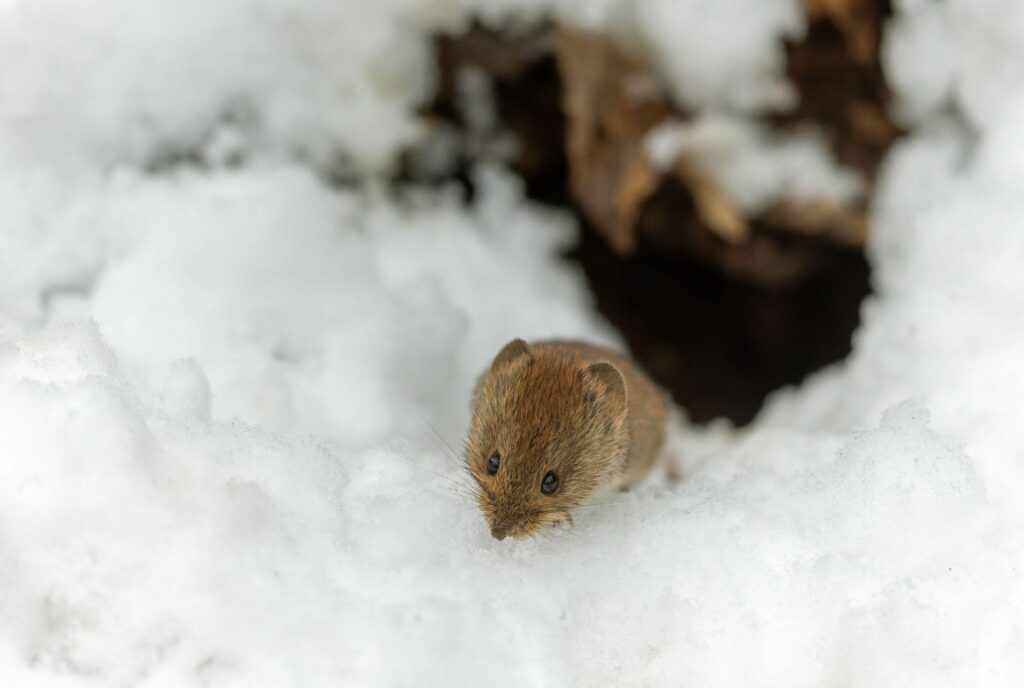
Ants, too, slow down significantly in the cold. Outdoor colonies reduce their activity to conserve energy, relying on food stores they’ve gathered earlier in the year. However, if an ant colony has established itself indoors – perhaps in a warm, hidden corner of your home – they may remain active throughout the winter.
The key takeaway? Winter might seem like a pest-free season, but it’s often when the groundwork for spring infestations is laid. Sealing gaps around windows, doors, and foundations before the first frost can make a world of difference. Regular inspections during colder months can also help identify early signs of pests seeking refuge, allowing you to address issues before they escalate.
Spring Awakening: The Surge in Pest Activity
As the snow melts and Calgary begins to thaw, the city comes alive with the sights and sounds of spring. But it’s not just flowers blooming and birds chirping – pests are also emerging from their winter hideouts, ready to take advantage of the warmer weather. This seasonal shift marks a critical time for homeowners, as pests become more active and their populations start to grow.
Why Spring is a Turning Point for Pests
Spring acts as nature’s reset button, signaling pests to reproduce and forage for food. Here’s how some common Calgary pests behave during this season:
Wasps: Begin constructing nests as temperatures rise.
- Preferred nesting spots: Eaves, decks, sheds, and other sheltered areas.
- Risk factor: A single nest can house hundreds of wasps by summer, posing safety concerns.
Ants: Colonies send out scouts in search of food.
- Behavior: Once they locate a food source, they leave pheromone trails to guide others.
- Common targets: Crumbs in kitchens, spills in garages, and pet food left outside.
Rodents: Increase outdoor activity but often return to indoor shelters at night.
- Signs to watch for: Droppings, gnaw marks, or unusual odors in hidden areas.
- Challenge: Their dual behavior makes them harder to detect without careful observation.
How to Prepare Your Home for Spring Pests
Spring is the perfect time to get ahead of pest problems before they spiral out of control. Follow these steps to safeguard your property:
- Inspect Your Property:
- Check for signs of pest activity, such as droppings, chewed materials, or strange smells.
- Look for gaps around windows, doors, and foundations where pests could enter.
- Trim Vegetation:
- Cut back branches and shrubs that touch your home. These act as highways for ants, rodents, and other pests.
- Declutter Spaces
- Clean out garages, basements, and storage areas where pests might hide.
- Store items in sealed plastic bins instead of cardboard boxes, which pests can chew through.
- Secure Food Sources:
- Keep kitchen counters clean and store food in airtight containers.
- Regularly empty trash bins and clean up pet food bowls after meals.
Summer Boom: Peak Season for Pests
Summer in Calgary is a time of outdoor barbecues, lush gardens, and long sunny days. But along with the warmth and sunshine comes an explosion of pest activity. This season marks the peak of pest populations, as the combination of heat, humidity, and abundant food sources creates ideal conditions for insects and rodents to thrive.
Why Summer is Prime Time for Pests
The warm weather acts as a catalyst for pests, accelerating their breeding cycles and increasing their visibility. Here’s how some common summer pests make their presence known in Calgary homes and yards:
Mosquitoes:
- Behavior: Breed in standing water and are most active during dawn and dusk.
- Impact: Not only are they annoying, but they can also carry diseases like West Nile virus.
- Common Breeding Grounds: Birdbaths, clogged gutters, flowerpots, and even small puddles.
Flies:
- Behavior: Attracted to food waste, garbage, and decaying organic matter.
- Risk Factor: Can contaminate surfaces and food with bacteria, posing health risks.
- Entry Points: Gaps in screens, open doors, and uncovered trash bins.
Spiders:
- Behavior: Seek prey like flies and mosquitoes, often weaving webs in corners or hidden areas.
- Misconception: While most spiders are harmless, their sudden appearance in large numbers can be unsettling.
Rodents:
- Behavior: Remain active indoors and outdoors, often nesting in attics or crawl spaces.
- Warning Signs: Chewed wires, droppings, and scratching noises in walls or ceilings.
A Closer Look at Common Summer Pests in Calgary
Below is a table summarizing key details about the most problematic summer pests and how to manage them:
| Pest | Behavior | Prevention Tips | Signs of Infestation |
| Mosquitoes | Breed in standing water; bite humans & pets | Eliminate water sources; use repellents | Bites, swarms near water |
| Flies | Attracted to food waste and garbage | Seal trash bins; clean spills promptly | Buzzing sounds, maggots in trash |
| Spiders | Hunt prey like flies and mosquitoes | Reduce other pest populations; remove webs | Webs in corners, egg sacs |
| Rodents | Nest indoors and outdoors; gnaw on materials | Seal entry points; store food securely | Droppings, gnaw marks, scratching noises |
Fall Migration: Preparing for Winter
As the vibrant colors of Calgary’s fall foliage begin to fade and the air turns crisp, pests start preparing for the long, cold winter ahead. This season marks a critical transition period, as many pests shift their focus from foraging and reproduction to finding shelter. Unfortunately, your home often becomes their top choice for a cozy winter retreat.
Why Fall is a Critical Time for Pest Control
The cooler temperatures and shorter days signal pests to seek warmth and protection. Some species, like rodents and cluster flies, even migrate indoors in large numbers, making fall a challenging time for homeowners. Here’s how common fall pests behave and what you can expect:
Boxelder Bugs:
- Behavior: Invade homes in large groups, often clustering around windows, doors, and walls.
- Impact: While mostly harmless, their sheer numbers can be a nuisance, and they emit a strong odor when crushed.
- Entry Points: Cracks in siding, gaps around windows, and poorly sealed doors.
Mice and Rats:
- Behavior: Increase indoor activity as outdoor food sources dwindle. They build nests in attics, basements, and wall voids.
- Warning Signs: Droppings, gnawed wires, and scratching noises in hidden areas.
- Risk Factor: Can cause structural damage and spread diseases like hantavirus.
Cluster Flies:
- Behavior: Enter homes to hibernate, often hiding in attics or wall cavities. They may emerge on warmer days, buzzing around windows.
- Misconception: Often mistaken for houseflies, but they’re larger and slower-moving.
Spiders:
- Behavior: Seek shelter indoors as their prey (like flies) becomes scarce.
- Common Spots: Basements, closets, and corners of ceilings.
How to Prevent Fall Pests from Entering Your Home
Fall is the perfect time to fortify your home against pests before they settle in for the winter. Here are some practical steps to keep them out:
Seal Entry Points:
- Inspect your home’s exterior for cracks, gaps, and holes. Pay special attention to areas around windows, doors, and foundation lines.
- Use caulk or weatherstripping to seal small openings and steel wool for larger gaps that rodents might exploit.
Inspect and Clean Hidden Areas:
- Check attics, basements, and crawl spaces for signs of pest activity.
- Declutter storage areas and store items in sealed plastic bins to reduce hiding spots.
Install or Repair Screens:
- Make sure vents, chimneys, and attic openings are covered with fine mesh screens to block pests.
- Repair damaged window screens and install door sweeps to eliminate gaps.
Use Natural Deterrents:
- Sprinkle diatomaceous earth around entry points to deter crawling insects like ants and spiders.
- Place cedarwood chips or essential oil sachets near common entry points to repel rodents and insects.
Conclusion: Staying Ahead of Seasonal Pest Challenges
Calgary’s climate is as dynamic as it is beautiful, but with its distinct seasons comes a unique set of pest challenges. From the quiet dormancy of winter to the bustling activity of summer and the migration rush of fall, pests are constantly adapting to survive – and thrive – in our city. Understanding how these seasonal patterns influence pest behavior is the first step toward effective management.
